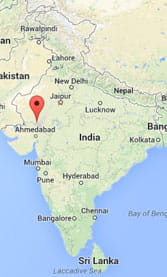
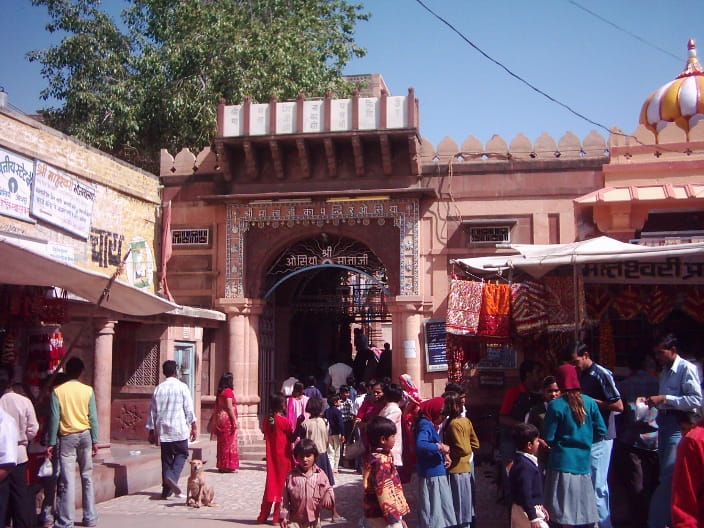
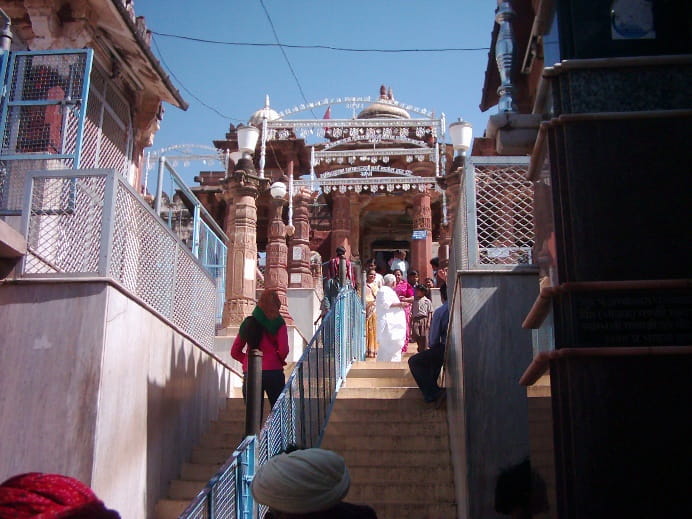
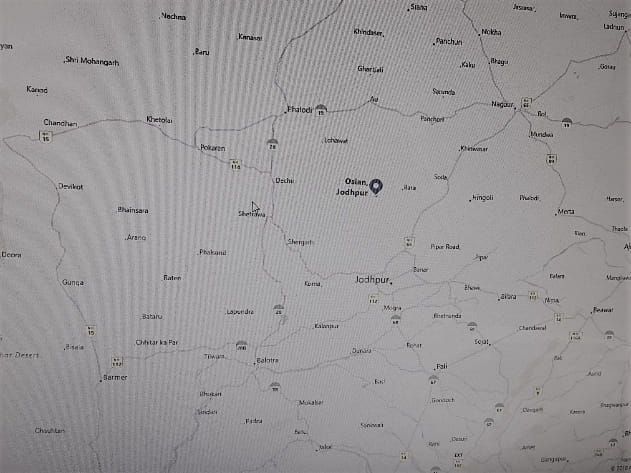
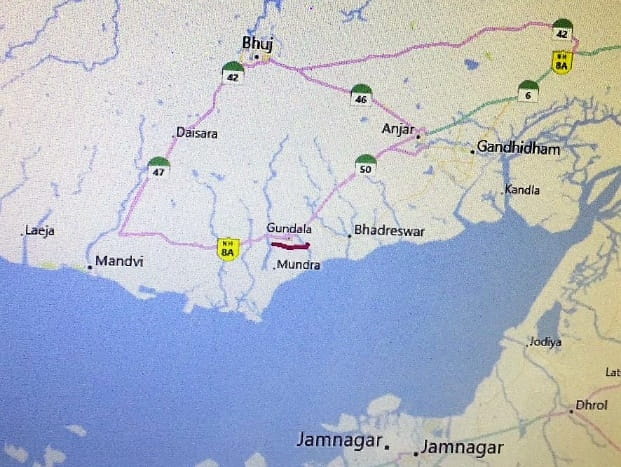
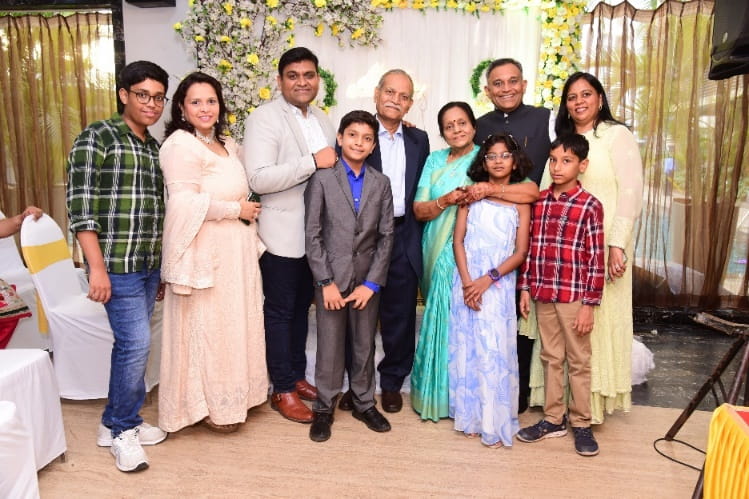
The Rambhia family carries within its name the memory of a civilisation stretching back over two and a half millennia. Our community — the Kutchhi Jain Oshwals — traces its roots to a sacred convergence of warrior heritage and spiritual transformation at Upkeshpur, now known as Ossian (Oshiyajee), near Jodhpur, Rajasthan.
Before the great transformation, our ancestors were Parmar Kshatriyas — warriors of the Agnikula (fire clan). Legend holds that their lineage was conjured from a sacred fire-pit at Mount Abu by the sage Vashistha. The name PARMAR carries the weight of that history: from Sanskrit, para (enemy) and mara (striker) — "one who strikes the enemy."
The Parmar dynasty ruled magnificently over the Malwa region (present-day Madhya Pradesh), Rajasthan, and Gujarat. Their most celebrated king, Emperor Vikramaditya, gave the world the Vikram Samvat calendar — still followed today across North and West India — marking his defeat of the invading Sakas in 57 BCE. Nepal continues to use this calendar as Bikram Samvat in official life.
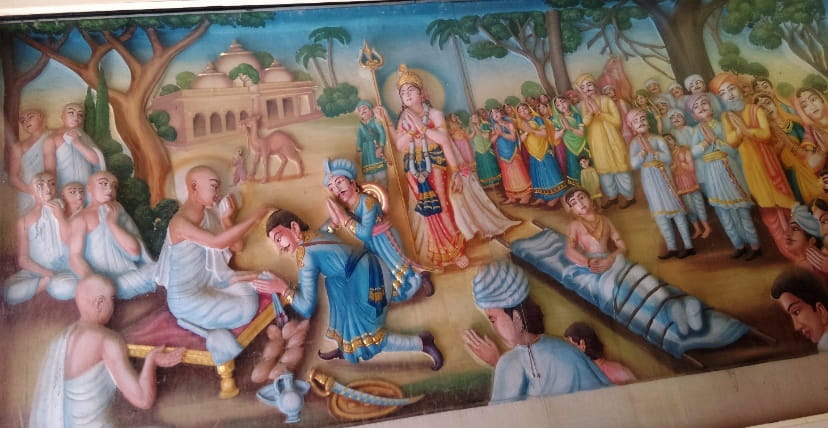
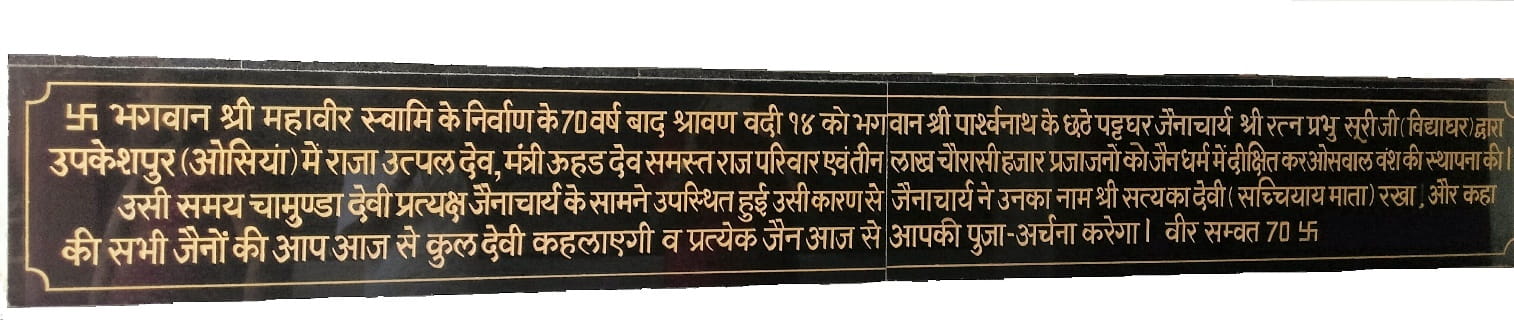
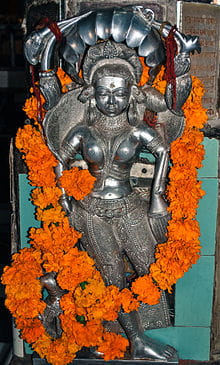
Then came the pivotal moment: in 457 BCE, Jain Acharya Ratnaprabhsuriji visited Upkeshpur and convinced King Utpaldev to end animal sacrifice. In a watershed spiritual event, Utpaldev, his minister Uddarddev, and 3,84,000 Parmar Rajputs embraced Jainism. The Acharya named this new community Oshwal — after Oshiyajee. Chamunda Devi, gracious at the occasion, was renamed Sachiya Mata and became the eternal Kul Devi of the Oshwal vansh.